

Methane Reduction in Coal Mines in China
Observations and Prospects
English
NOV 2022
Policy Brief
Beyond Carbon Energy Transition
Summary:
This policy brief focuses on methane emissions from China's coal mining sector, the largest single source of methane in the country. It explains that ultra low concentration ventilation air methane accounts for the majority of these emissions and is difficult to capture or utilize due to cost and technical constraints. The brief also highlights growing emissions from abandoned mines, which remain unmonitored and unregulated. It identifies gaps in emission standards, monitoring systems, and economic incentives, and recommends strengthening U.S.–China cooperation on methane, compiling abandoned mine inventories, revising emission standards, improving monitoring and verification, advancing cost effective utilization technologies, and establishing dedicated financing and voluntary industry initiatives.
Suggested citation:
Chen, M., Hong, J., Hu, M., & Mo, K. (2022). Methane Reduction in Coal Mines in China. Policy Brief. Beijing: Institute for Global Decarbonization Progress (iGDP).
Related
-
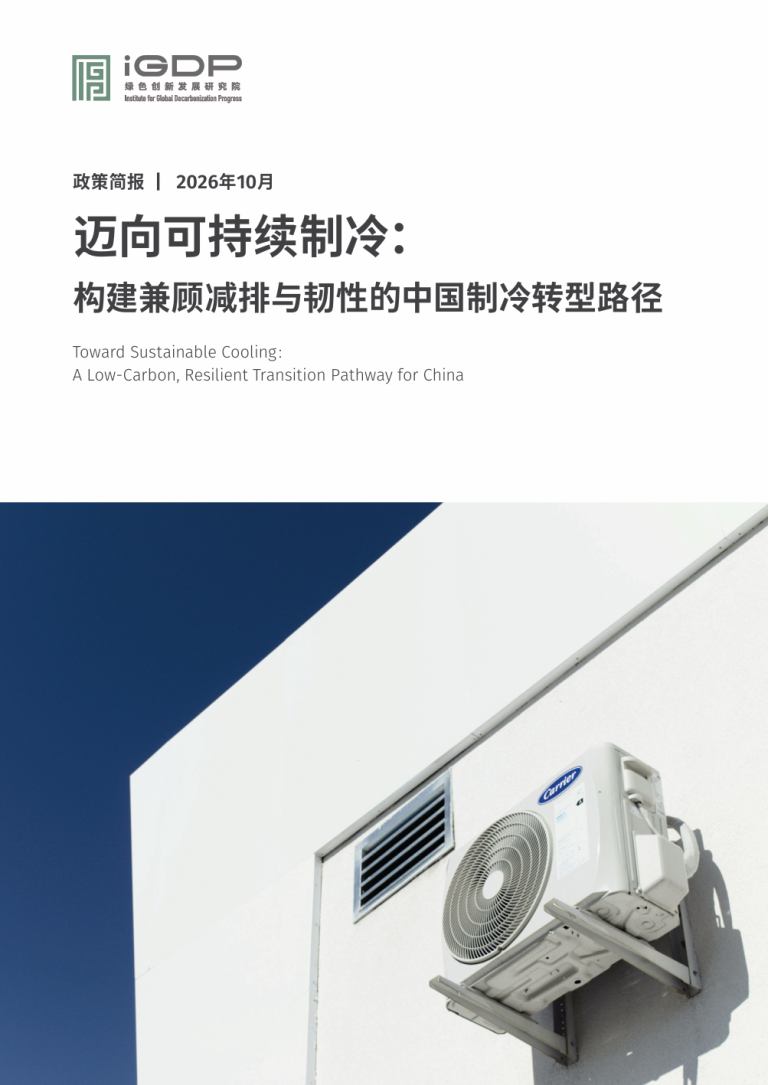
Toward Sustainable Cooling: A Low-Carbon, Resilient Transition Pathway for ChinaWith a focus on global sustainable cooling trends and China’s cooling transition, this policy brief reviews the progress and key challenges of sustainable cooling development in China. It explores future pathways for strategic coordination, industrial transformation, market mechanisms, full-lifecycle management of refrigerants, urban resilience, and access to cooling services.Policy Brief OCT 2026
-
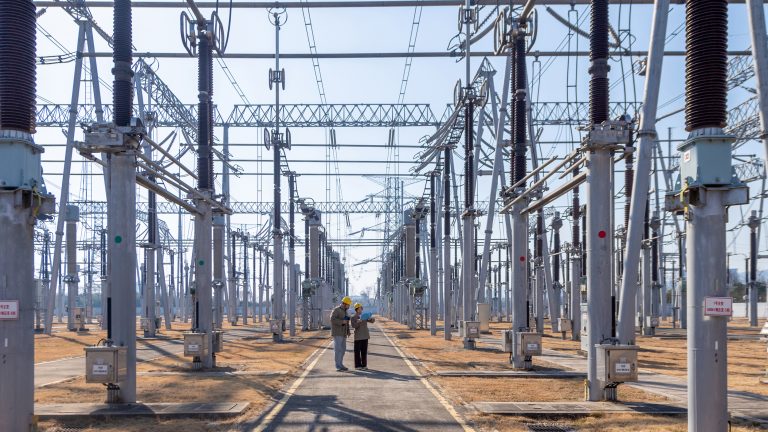
iGDP Assistant Analyst Ma Yue Spoke to Inside Climate News on China’s SF6 MitigationAccording to Yue Ma, "It's the first time the government has called for an SF₆ management plan," and it "sends a positive policy signal for advancing SF₆ emissions reductions in the power sector."Interview SEP 2026
-
Black Carbon Mitigation Is a “Window of Opportunity” for Protecting Himalayan GlaciersFor Asia, which is currently facing the risk of accelerated glacial melt, reducing black carbon is not only part of air pollution control but should also be a key measure for protecting the “water towers of Asia,” safeguarding regional water resources, and enhancing climate resilience.Op-ed SEP 2026

-
Accelerating Industrial Nitrous Oxide Mitigation in ChinaThis study examines China's nitrous oxide (N₂O) emission trends and mitigation potential to 2035 and 2050. Under an ambitious Deep Decarbonization Scenario, China's N₂O emissions could fall by 73% by 2050 (or 51% under a more moderate New Policies Scenario), with the industrial sector delivering the largest share of reductions. Under the new policies scenario, industry could cut N₂O emissions by about 177 million tonnes of carbon dioxide equivalent (CO₂e) by 2035 — 76% of China's total — rising to roughly 211 million tonnes by 2050. To unlock this potential, the report sets out three priority pathways: strengthen capacity and technological innovation for industrial N₂O mitigation; align product carbon footprints with green supply chains to turn mitigation into industrial competitiveness; and integrate N₂O mitigation into China's coordinated framework for reducing pollution and carbon emissions.Report SEP 2026
-
An In-Depth Exploration of Carbon Reduction in the Steel IndustryChina's steel industry has nearly reached its limits in terms of energy efficiency, and large-scale carbon reduction will require breakthroughs in technology, processes, and business models.Interview SEP 2026
-
With an Average Lifespan of No More Than 12 Days, It Is Devouring Glaciers Around the WorldGiven that greenhouse gas emissions reductions remain a long-term endeavor, addressing black carbon—a short-lived climate pollutant—may be an important pathway to linking air pollution control with climate goals and achieving synergistic pollution and carbon reduction efforts.Op-ed SEP 2026